Types of Glass You Should Know for Proper Use
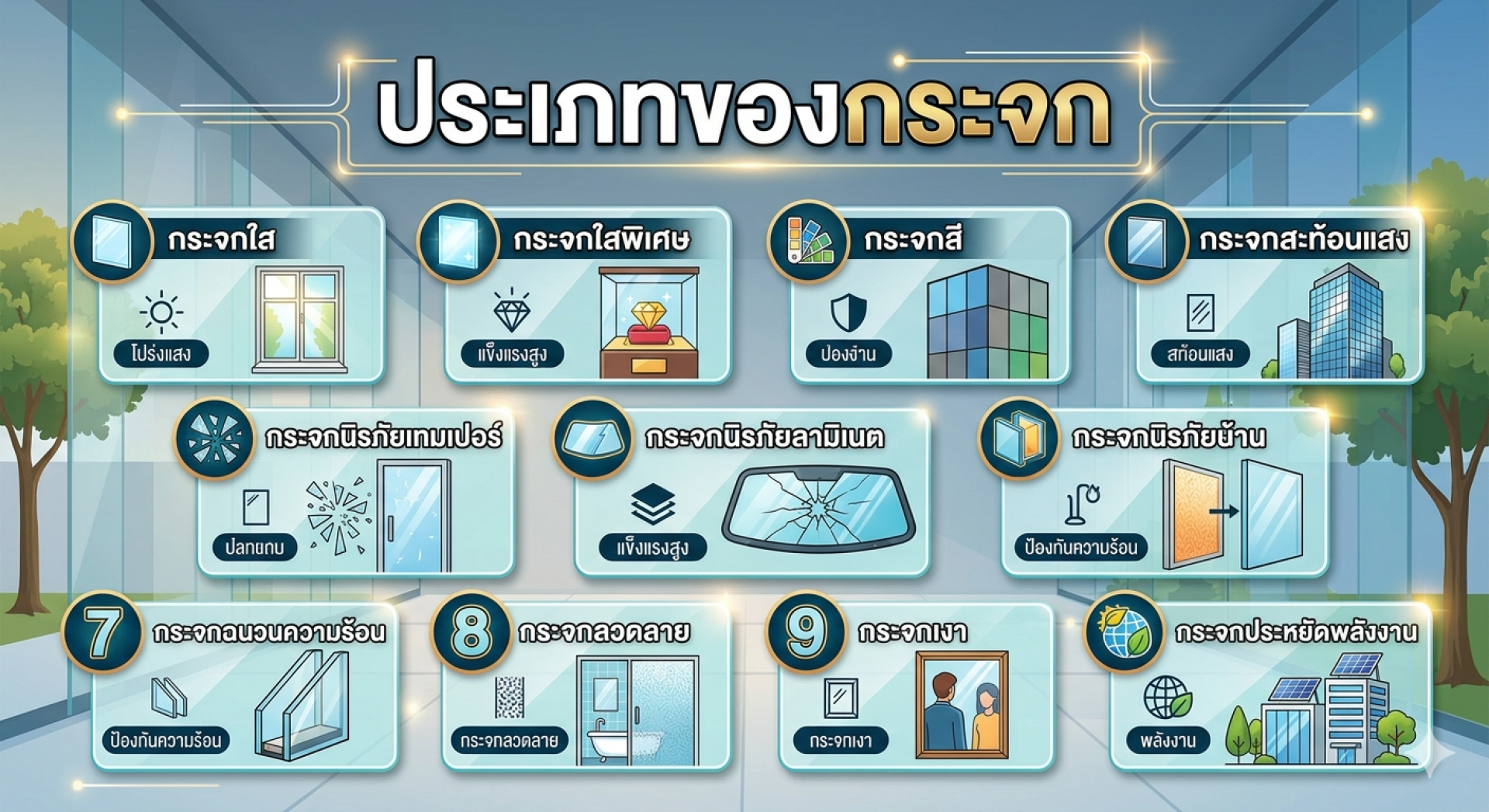
Glass is a material we encounter almost every day, from the homes we live in to office buildings and various vehicles. But have you ever wondered if the glass we see is more than just ordinary clear glass? In reality, there are many types of glass designed for different applications. Knowing the types of glass will help us choose appropriately—not just for aesthetics, but also for safety and energy efficiency. This article will introduce you to the types of glass available today, explaining the characteristics and uses of each type in detail and in an easy-to-understand way, ensuring you feel confident in choosing the right glass for every situation.
Types of Glass and Their Different Applications
Glass can be classified by various manufacturing processes to meet different functional needs as follows:
1. Float Glass
2. Heat Treated Glass
3. Surface Coated Glass
4. Processed Glass / Fabricated Glass
5. Other Glass Types
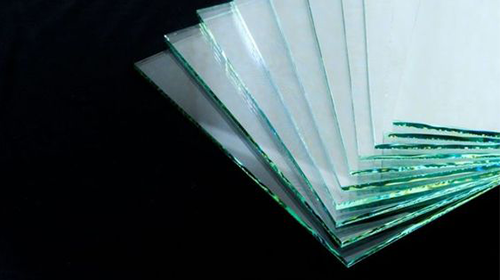
1. Float Glass
Float glass is the primary glass produced directly from the manufacturing process. It is categorized into two types: clear glass and tinted glass. The details and considerations for their application are as follows:
· Clear Glass is a transparent glass that provides a clear view and perfect, undistorted reflections. This type of glass allows approximately 75-92% of incident light to pass through, depending on its thickness. Clear glass also serves as the base material for producing various other glass types, such as tempered safety glass, laminated safety glass, insulated glass, and coated glass. Consequently, the quality of these processed products depends significantly on the quality of the base clear glass used.
· Tinted Glass, or Heat Absorbing Glass, is manufactured by adding metal oxides into the batch mix during the production process. This gives the glass its color and the ability to absorb solar heat that hits the glass surface, as well as reduce the amount of light transmittance. The amount of light passing through tinted glass depends on the color intensity, thickness, and the specific hue of the glass.
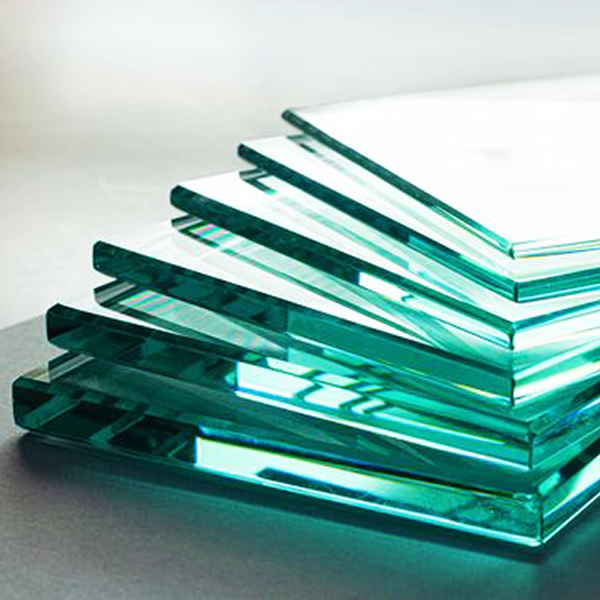
2. Heat Treated Glass
Heat treated glass is clear glass or glass that has undergone a quality enhancement process to increase its strength and resistance to external forces. It is divided into 2 types as follows:
· Tempered glass is glass that has undergone the tempering process to increase its strength. It uses the same principle as prestressed concrete, which is creating a layer of compressive stress on the glass surface to resist external forces. This method is achieved by heating the glass to slightly above its softening point, approximately 650-700°C, and then rapidly cooling the glass surface using air quenching. The temperature difference between the outer surface and the core of the glass creates a layer of compressive stress on both outer surfaces, sandwiching the inner layer. This surface layer helps resist external forces, making tempered glass approximately 4 times stronger than regular glass. However, the glass must be cut to the desired size before the tempering process. If cut after tempering, the entire glass sheet will shatter into small fragments.
· Heat Strengthen Glass this is a glass produced through a process similar to tempered glass, which involves heating the glass and then cooling it down. However, it differs from tempered glass in that heat strengthened glass is cooled down more slowly. As a result, it is less strong than tempered glass. When in use, the limitations regarding its strength must be taken into consideration.
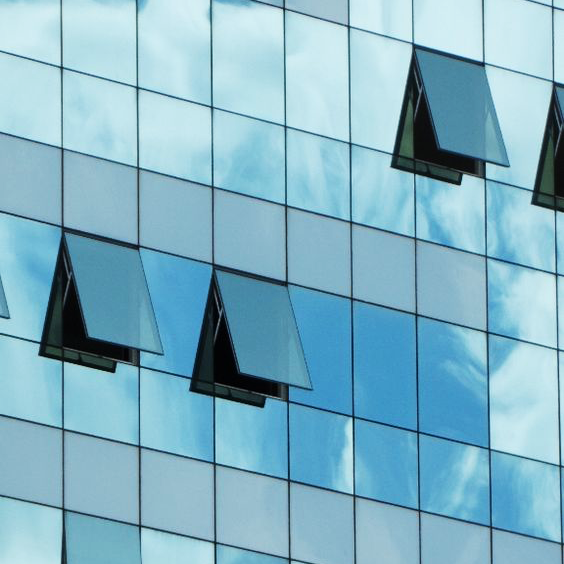
3. Surface Coated Glass
Surface coated glass is ordinary glass that has undergone a metallic coating process on its surface to reflect light and solar heat. This makes it highly effective for energy-saving applications while enhancing its aesthetic appeal. Surface coated glass can be categorized into 2 types based on the coating method:
1. Categorized by the coating machine manufacturers used in Thailand, divided into 2 types:
- AIRCO type: A coating method using pure Titanium (Ti) as the primary metal. It provides various colors, appearances, and energy-saving properties according to the following coating codes: TE - Titanium Earth, TS - Steel Blue, SS - Silver, TBU - Blue.
- LEYBOLD type: A coating method using pure Tin (Sn) as the primary metal. Its energy-saving properties are similar to the AIRCO type but it offers a different range of colors according to the following coating codes: SL - Silver, AS - Antique Silver, BR - Bronze, SB - Sapphire Blue.
2. Categorized by coating techniques, divided into 2 types:
- Vacuum Deposition or Soft Coating: This involves spraying certain metal oxides onto one side of the glass sheet. An electric current triggers a reaction that causes the metal to adhere to the glass surface. With this method, the coating is susceptible to scratching, but it covers every molecule of the glass surface. Glass that has undergone metal oxide coating using this method cannot be tempered or heat-strengthened, as the heat in those processes would destroy the coated metal oxide.
- Pyrolitic Deposition or Hard Coating: In this process, the glass is coated while it is still in a molten (liquid) state. The metal oxides diffuse and penetrate into the glass itself. Although the metal oxide may not be distributed as uniformly across the entire surface as the vacuum method, Pyrolitic coated glass is significantly more durable and robust than vacuum-coated glass.
Solar Reflective Glass is ordinary glass coated with metal oxides that possess reflective properties. This allows it to reflect a portion of the solar radiation energy. It has a relatively high light reflection value and lower transparency. It comes in various beautiful colors depending on the coating style and the color of the base glass used for coating.
Low-E Glass
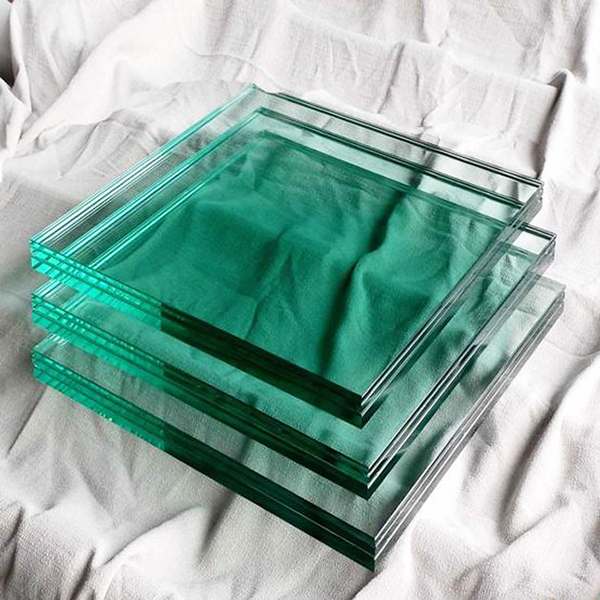
Low-E glass is a metal-coated glass featuring pure silver as a key component to achieve a very low emissivity (E) coating. Despite the coating, the glass remains clear and non-opaque, allowing high light transmission with low reflection. This means the glass has a very low capacity to emit heat radiation from its surface, making it excellent for use in insulated glass units. It allows short-wave radiation from the sun to pass into the building while reflecting a significant amount of long-wave radiation (heat). This reduces heat accumulation inside the building, leading to energy savings on air conditioning. Low-E glass can be produced using both Vacuum Deposition and Pyrolitic Deposition methods.
4. Processed Glass
Processed glass refers to glass that has undergone various treatment processes to meet different functional requirements, including:
- Insulated Glass When processing glass into insulated glass, the key consideration is its ability to act as an insulator against temperature differences between the two sides of the glass, separated by dry air. This dry air, contained within the space between the glass panes, is created by the moisture absorption of a desiccant inside the aluminum spacer. The dry air serves to prevent heat transfer from either side of the glass. Experiments have shown that rising temperatures do not affect the insulating capacity of dry air. Conversely, if the temperature drops below 20°F (approximately -7°C), the desiccant may fail to function perfectly, leading to condensation or fogging within the air space. Therefore, designers must consider weather conditions, which affect the moisture absorption capacity of the desiccant in insulated glass. Insulated glass is produced by taking at least two panes of glass cut to the required size and joining them together with an aluminum spacer containing desiccant in between. The edges are then sealed, resulting in dry, moisture-free air within the gap, which provides thermal insulation properties.
- Heat mirror glass is a double glazing system featuring a low-emissivity (Low-E) coating on both sides of a film positioned within the air gap. This creates reflective air spaces on both sides of the film, which can reduce the total heat transfer coefficient (U-Value) of this glass type to as low as 1.4 W/m²·K (0.25 BTU/ft²·hr·°F).
- Heat stop glass is a double-glazed unit consisting of a reflective, low-emissivity coated glass as the outer pane and clear glass as the inner pane. The coating can block infrared heat, allowing only 5% to pass through. The gap is filled with argon gas, an inert gas with low thermal conductivity, resulting in a low overall heat transfer rate. Approximately 60% of visible light can pass through this type of glass.
- Laminated glass is manufactured for safety purposes by bonding two or more panes of glass together with a tough and strong Polyvinyl Butyral (PVB) film interlayer. This film holds the glass layers together; if the glass is impacted and breaks, the PVB film prevents the shards from scattering, resulting only in a "spider web" crack pattern. Laminated glass offers high safety and is commonly used for automobile windshields, high-rise building windows, or bulletproof glass.น
4. Other Types of Glass
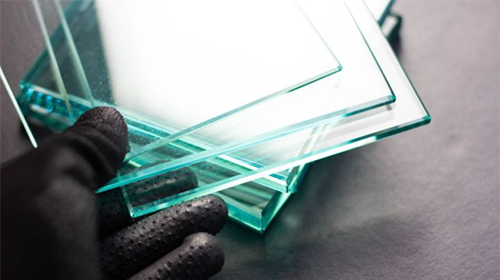
In addition to the four types of glass mentioned above, there are many other types of glass manufactured for different purposes, such as Mirrors, Pattern Glass, and Wired Glass.
What is Laminated Glass...?
Laminated glass is classified as a type of safety glass. When broken, the glass fragments remain adhered to the interlayer rather than falling off, held together by a film like a spider web. It is produced by taking two or more layers of Tempered Safety Glass or Annealed Glass / Float Glass and bonding them together with an interlayer film. This production process is why it is called Laminated Glass.
Components of Laminated Glass (Laminated Glass Raw Material)
Laminated glass is created by "laminating" two or more pieces of Tempered Safety Glass or Annealed Glass / Float Glass together in layers. A PVB (Poly Vinyl Butyral) or EVA (Ethylene Vinyl Acetate) film is sandwiched between the glass sheets to provide greater strength and meet higher safety requirements than other glass types. The glass then passes through a roller process to bond the PVB film to the glass. Finally, the assembled glass is treated in an Autoclave under controlled temperature and pressure to remove all air, completing the production process.
Key Features of Laminated Glass
- When the glass is damaged and breaks, the fragments do not fall, significantly reducing the risk of injury.
- Helps block external noise and provides better sound insulation than regular glass.
- Provides good heat insulation and blocks more than 90% of UV rays.
- Resistant to high-altitude wind pressure and impacts, and helps prevent intrusion from theft.
- Can be color-coated according to requirements.
Disadvantages of Laminated Glass
- Compared to the same overall thickness, laminated safety glass has lower load-bearing strength than regular glass. For example, a laminated glass of 4 mm + film + 4 mm can withstand less impact than a single 8 mm sheet of regular clear glass.
- PVB film is hygroscopic (absorbs moisture). If used in areas with high humidity, the adhesion between the glass and the film may deteriorate, potentially causing delamination (separation).
Applications of Laminated Glass in Architecture
- Interior decoration such as ceilings, floors, wall panels, and doors.
- Exterior building glass, especially where security or noise reduction is required, such as various window openings.
- Used in high-rise buildings in compliance with building control regulations.
- Used for balconies, railings, skylights, awnings, and facades.
- Used as safety glass for furniture.
Available Sizes and Thicknesses
- Production range: 6.38 mm to 80 mm.
- Minimum production size: 250 x 620 mm.
- Maximum production size: 2800 x 6000 mm (depending on raw material availability).
Choosing the Right Type of Glass for Everyday Use
Choosing the right glass is not difficult, but several factors must be considered, such as safety, aesthetics, energy efficiency, and the specific requirements of the space.
Imagine you are choosing glass for your home windows. If you need both safety and heat reduction, coated glass or coated tempered glass is an excellent solution. Beyond reducing heat, it also increases strength and safety.
Meanwhile, for bathrooms or meeting rooms that require privacy, frosted glass is more suitable as it obscures the view from outside while still allowing natural light to pass through.
Don't forget to consider durability and maintenance. For instance, high-strength safety glass is ideal for areas at risk of impact, while regular glass is suitable for general use without significant risk. Choosing the right glass not only enhances safety and beauty but also reduces maintenance costs and increases long-term value.
Real-World Examples of Glass Applications in Industry and Residential Areas
Let's look at real examples for a clearer picture. In modern office buildings, coated glass is installed in windows and facades to reduce heat and save energy, which can cut air conditioning electricity costs by 20-30%. This is a worthwhile investment that supports building sustainability.
In modern automobiles, safety glass and coated tempered glass are used to increase passenger safety and reduce external noise, making travel more comfortable and secure.
For residential homes, frosted glass is popular for bathrooms and doors requiring privacy, while tinted glass is often chosen for living rooms or offices to help reduce glare and heat.
Additionally, buildings requiring noise insulation, such as hotels or apartments near main roads, often use multi-layered glass to create a quieter and more livable environment.
Conclusion
Understanding the types of glass and their properties helps us choose the right glass for our needs, whether for safety, aesthetics, or energy efficiency. Selecting the appropriate glass not only improves functional efficiency but also creates a better and safer environment in daily life.
Choosing the right glass can save on electricity bills and provide more safety for your family than many might think. We hope this article provides you with the knowledge and understanding to choose the right glass for every situation.
